
 11
11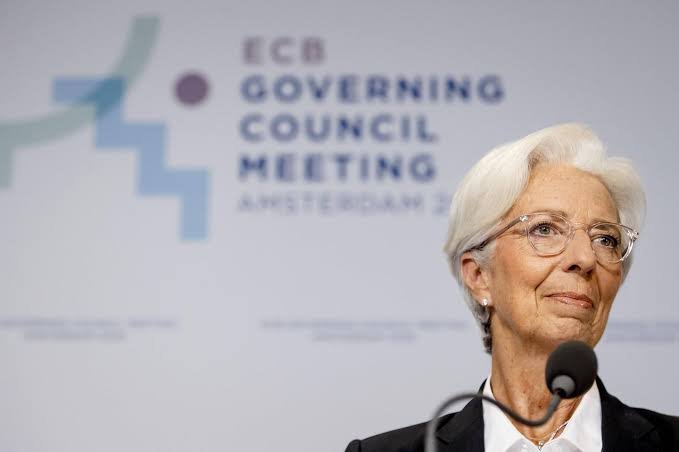
The moment the European Central Bank announces its latest policy decision, markets across the world pause. Screens flicker, bond yields jump, and currencies adjust within seconds. But beyond the fast-moving charts, the ezb zinsentscheid—the European Central Bank’s interest rate decision—carries deeper consequences. It shapes mortgages in Berlin, business investments in Milan, and even export competitiveness in Paris. In a world grappling with inflation, geopolitical tensions, and fragile growth, each decision feels less like routine policy and more like a pivotal signal about Europe’s economic future.
The ezb zinsentscheid refers to the ECB’s decision on its key interest rates, which influence borrowing costs across the eurozone. These rates include the deposit facility rate, main refinancing operations rate, and marginal lending facility rate. Together, they define the cost of money and play a central role in controlling inflation.
Historically, the ECB’s primary mandate has been price stability, typically targeting inflation around 2%. However, the path to achieving that goal has rarely been smooth. Following the eurozone debt crisis and later the COVID-19 pandemic, the ECB implemented ultra-low and even negative interest rates to stimulate growth. Now, amid persistent inflationary pressures, the ezb zinsentscheid has shifted toward tightening policy—raising rates to cool demand and stabilize prices.
Every ezb zinsentscheid sends a signal not just to economists but to households and businesses. When the ECB raises rates, borrowing becomes more expensive. Mortgages, business loans, and consumer credit all adjust upward, which tends to slow spending and investment.
Conversely, when rates are cut, the goal is to encourage borrowing and economic activity. The latest decisions have been particularly significant because they come at a time when inflation across the eurozone has remained above target, partly due to energy costs and supply chain disruptions. Policymakers must strike a delicate balance between controlling inflation and avoiding a recession.
Inflation remains the central factor driving the ezb zinsentscheid. Over the past few years, eurozone inflation surged to levels not seen in decades, forcing the ECB into a more aggressive stance. This shift marked a dramatic departure from its long period of accommodative policy.
However, tightening monetary policy carries risks. Higher interest rates can slow economic growth, increase unemployment, and put pressure on heavily indebted countries. The ECB must therefore weigh inflation control against economic stability—a balancing act that becomes more complex with each decision. Recent data on wage growth, energy prices, and consumer spending all feed into this calculation.
Financial markets respond instantly to the ezb zinsentscheid. Bond yields often rise when rates increase, reflecting higher returns demanded by investors. Meanwhile, the euro’s exchange rate can strengthen or weaken depending on how the decision compares to expectations.
Stock markets, particularly sectors sensitive to interest rates like real estate and banking, can experience volatility. Banks may benefit from higher rates through improved margins, while property markets often cool as mortgages become more expensive. These reactions underscore how the ECB’s decisions ripple across the financial system, influencing everything from pension funds to startup funding.
For many Europeans, the ezb zinsentscheid becomes tangible through monthly expenses. Homeowners with variable-rate mortgages may see their payments increase after rate hikes. Renters can also feel indirect effects, as landlords pass on higher financing costs.
At the same time, savers may benefit from higher interest rates, as banks gradually increase returns on deposits. However, these gains often lag behind the pace of rate hikes. The broader impact is a shift in consumer behavior: higher rates encourage saving and discourage spending, which in turn helps reduce inflation but can slow economic momentum.
The ECB’s communication strategy plays a crucial role in shaping expectations around the ezb zinsentscheid. Leaders like Christine Lagarde often use press conferences to provide forward guidance, signaling possible future moves and explaining the rationale behind decisions.
Clear communication helps stabilize markets and prevent sudden shocks. However, even subtle changes in tone or wording can trigger significant reactions. For example, a hint that rate hikes may pause can boost equities, while a more hawkish stance can strengthen the euro. This highlights how central banking today involves not just policy decisions but also managing expectations.
The ezb zinsentscheid does not operate in isolation. It interacts with decisions from other major central banks, such as the Federal Reserve and the Bank of England. Differences in interest rate policies can influence capital flows and exchange rates.
For instance, if the ECB raises rates while the Federal Reserve pauses, the euro may strengthen against the dollar. This can impact exports, making European goods more expensive abroad. On the other hand, synchronized tightening across major economies can amplify global financial conditions, affecting emerging markets and international trade.
Looking back, past ezb zinsentscheid moments reveal how critical timing and judgment are. During the eurozone debt crisis, premature tightening exacerbated financial stress in several countries. Conversely, delayed action on inflation can erode purchasing power and credibility.
The ECB has learned from these experiences, adopting a more data-driven and flexible approach. Today’s decisions incorporate a wide range of indicators, including inflation expectations, labor market trends, and geopolitical developments. This evolution reflects the increasing complexity of modern monetary policy.
Several emerging trends are likely to influence future ezb zinsentscheid outcomes. Digital transformation, including the potential introduction of a digital euro, could change how monetary policy is transmitted. Climate change is also becoming a factor, as the ECB considers how environmental risks affect financial stability.
Additionally, demographic shifts and globalization patterns are reshaping economic dynamics. Aging populations may reduce long-term growth potential, while supply chain realignments could alter inflation patterns. These factors mean that future decisions will require even more nuanced analysis and forward-looking strategies.
Understanding the ezb zinsentscheid can help individuals make better financial decisions. For borrowers, anticipating rate changes can inform choices about fixed versus variable-rate loans. For investors, tracking ECB signals can provide insights into market trends and sector performance.
Staying informed about inflation data, employment figures, and ECB communications can offer valuable context. While predicting exact decisions is difficult, recognizing the underlying factors can improve financial planning and risk management.
The ezb zinsentscheid is the European Central Bank’s decision on interest rates, which influences borrowing costs, inflation, and overall economic activity in the eurozone.
The ECB typically reviews its monetary policy, including the ezb zinsentscheid, during scheduled meetings held every six weeks.
The ECB raises rates to combat inflation by reducing spending and borrowing, helping to stabilize prices over time.
When rates increase, mortgage costs usually rise, especially for variable-rate loans, leading to higher monthly payments.
Yes, the ezb zinsentscheid can influence global financial markets, exchange rates, and investment flows, especially when it diverges from other central banks’ policies.
Investors often monitor inflation data, economic growth indicators, and ECB communication to anticipate the ezb zinsentscheid.
Future ezb zinsentscheid outcomes depend on inflation trends, economic growth, and external factors, making predictions uncertain.
The ezb zinsentscheid is far more than a technical policy update—it is a powerful signal shaping Europe’s economic direction. Each decision reflects a careful balancing act between controlling inflation and sustaining growth, with consequences that reach from financial markets to household budgets. As global uncertainty persists, the ECB’s role becomes even more critical.
For readers, staying informed about these decisions is not just an academic exercise; it is a practical necessity. Whether you are managing personal finances, investing, or running a business, understanding the forces behind the ezb zinsentscheid can provide a crucial edge. Keep following the data, watch the signals, and continue exploring how central bank policies shape the world around you.